










FTC BIOBUZZ Strategy: Scoring, Robot Design & the Starter Bot
Quick Summary: FTC BIOBUZZ™ is the 2026–2027 FIRST® Tech Challenge game presented by RTX. Alliances collect POLLEN and NECTAR, launch scoring elements into their HIVE to earn HIVE TIPS, place scoring elements in FLOWERS and GARDENS, and complete scoring and endgame objectives such as PARK. Teams will need to balance scoring opportunities with reliable robot design, driving, programming, and match strategy. The FTC Starter Bot, built with the Studica FTC Starter Kit 2026–2027, gives teams a foundation for building, testing, and developing their own BIOBUZZ strategy.
Getting Started with FTC BIOBUZZ
 Kickoff gave FTC teams a lot to take in. Now that we know the game, it's time to start thinking about your robot. You've seen the BIOBUZZ™ field, learned the scoring system, watched the game animation, and started thinking about what your next robot might need to do. This is when the interesting part begins! The BIOBUZZ game offers several ways to score, but your team needs to decide which opportunities make sense for your robot, your drivers, and your overall strategy. A mechanism that looks impressive on paper is only useful if the robot can execute it consistently on the field. Now that you know the BIOBUZZ game, it's time to figure out how your team wants to play it. The goal isn't to build a robot that can do everything. It's to build a robot that can reliably do what your strategy requires.
Get Started on Your Strategy First
It can be tempting to start sketching a robot as soon as you see the game. Before you start building, though, take some time to ask a different question: What does our team actually want this robot to accomplish during a match? BIOBUZZ gives alliances opportunities to collect POLLEN and NECTAR, interact with the HIVE, place game elements in FLOWERS and GARDENS, and complete end-of-match objectives such as PARK and establishing FLOWER ownership. HIVE TIPS also affect when additional NECTAR can be introduced into the match, creating another strategic consideration for teams.
📌 Step 1: Visualize Your Robot
What do you want your robot to do? What are the biggest priorities for your team? Some examples you could choose for your robot: • Collect game elements quickly and consistently • Interact with the HIVE reliably • Place game elements accurately • Move efficiently between scoring locations • Complete several different tasks • Focus on a smaller number of actions and execute them extremely consistently
💡There isn't one required approach. The more useful question is which approach fits your team and can be tested and improved over the course of the season?
📌 Step 2: Envision Your Match
A good BIOBUZZ strategy isn't just about the highest-value scoring action. Think about what happens from the beginning of a match to the end:
AUTO: What can your robot accomplish without DRIVER control?
TELEOP: Which actions can your drivers perform quickly and repeatedly?
ENDGAME: What does your robot need to accomplish before the match ends?
💡 Thinking about the complete match can help your team identify where robot design, programming, and driver practice need to work together.
BIOBUZZ Scoring at a Glance
BIOBUZZ gives alliances several ways to earn MATCH points, so teams don't necessarily need to design a robot that can do everything. The current BIOBUZZ Competition Manual lists the following scoring values:
| Scoring Achievement | MATCH Points |
|---|---|
| AUTO LEAVE | 3 |
| AUTO PARK | 5 |
| TELEOP PARK | 5 |
| HIVE TIP | 20 |
| POLLEN and/or NECTAR remaining in a CELL | 2 each |
| Bottom NECTAR Bonus in a FLOWER | 5 |
| POLLEN or NECTAR in an owned FLOWER | 2 each |
| POLLEN or NECTAR in a GARDEN | 1 each |
BIOBUZZ also includes Ranking Points tied to match achievements, including HIVE TIP and combined LEAVE/PARK performance. Because scoring can come from several different tasks, teams can use the point structure to help decide which robot capabilities are most important to their strategy.
💡Always check the BIOBUZZ Competition Manual and official Team Updates for the current rules and requirements.
Turn Your Strategy Into Robot Requirements
Once your team has an idea of how you want to play a match, the next step is figuring out what your robot needs to do to make that strategy possible. A strong BIOBUZZ strategy starts with understanding what your robot needs to do consistently during a match. Instead of designing each mechanism in isolation, think about how collection, transport, scoring, driving, and recovery all work together.
Use the questions below as a starting point when your team is evaluating a robot design:
| Robot Challenge | Questions to Ask During Design & Testing |
|---|---|
| Collection | Can the intake collect POLLEN consistently from different positions and angles? |
| Transport | Can the robot hold and move a game element reliably while accelerating, turning, or making contact with another robot? |
| Scoring | Can the robot repeat the scoring action consistently? |
| HIVE Interaction | How important are HIVE TIPS to your strategy? Can the robot align and launch scoring elements into the HIVE reliably? |
| Driving | Can drivers control the robot easily while using its mechanisms? |
| Recovery | What happens after a missed intake, imperfect alignment, or failed scoring attempt? |
| Cycle Time | How long does it take to collect, score, and reset? |
| Field Variation | Can the mechanism tolerate reasonable variations in field and game-element positioning? |
Prototype the Hard Problems First
You don't need your final robot figured out right away. Prototype the functions that could have the biggest impact on your strategy first.
📌 Quick Prototype Check
| Test | Ask Yourself |
|---|---|
| Intake | Does it work from different angles and positions? |
| Scoring | Can it repeat the action consistently? |
| Alignment | How much driver correction does it require? |
| Cycle Time | How quickly can you collect, score, and reset? |
| Recovery | What happens when something goes wrong? |
| Real-World Testing | Does it still work while driving, turning, and dealing with imperfect conditions? |
💡Watch the failures. They can reveal more about your design than successful attempts. Test individual mechanisms first, then combine them and repeat the full cycle under conditions that are increasingly similar to a match.
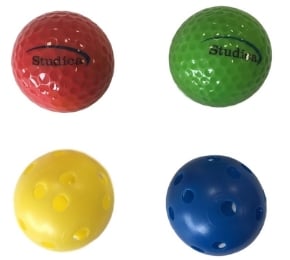
💡BIOBUZZ scoring elements are not perfectly spherical and may vary in size, and some scoring-element placement may vary slightly during field setup. Designing mechanisms that can tolerate reasonable variation can help your robot perform more consistently.
💡Build for repeatability, control, and recovery, not just a mechanism that works once.
Where the FTC Starter Bot Fits In
You don't have to start your BIOBUZZ robot from a blank sheet of paper.

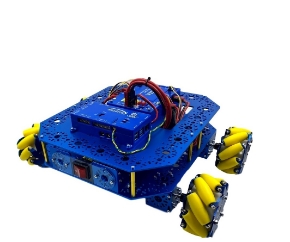
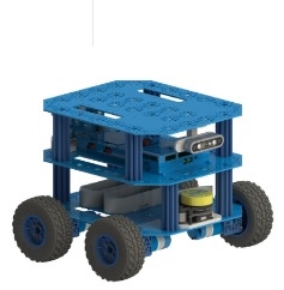
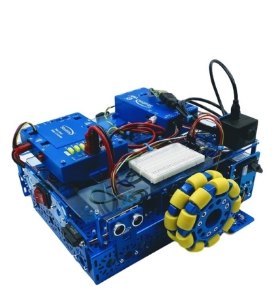
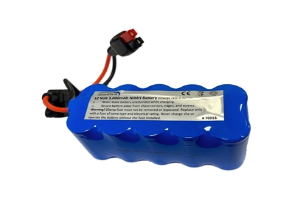
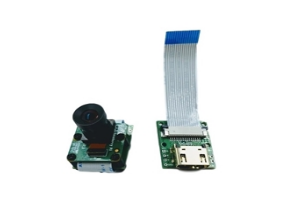
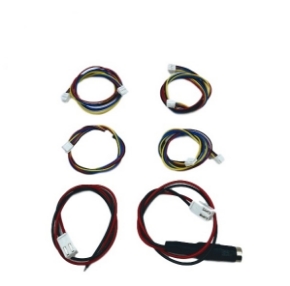
The FTC Starter Bot from Studica Robotics gives teams a foundation for building and experimenting, with resources including build instructions, CAD files, and a wiring diagram to help with the mechanical and electrical aspects of the robot.
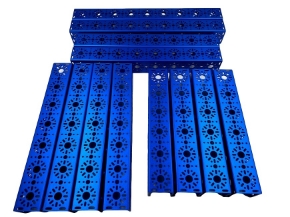
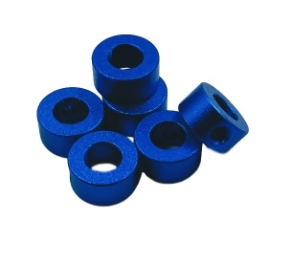
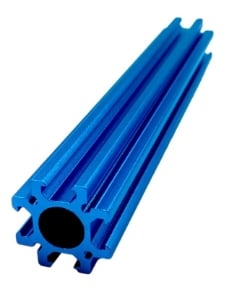
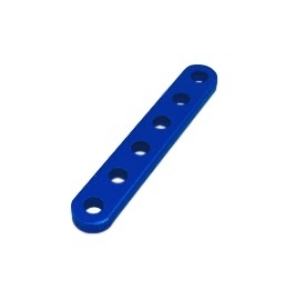
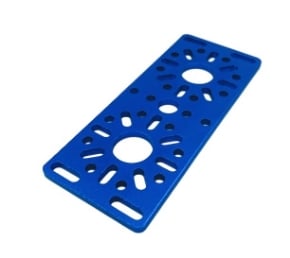
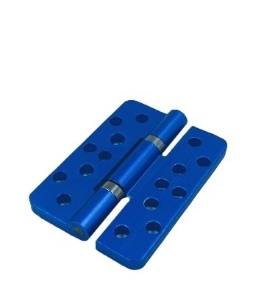
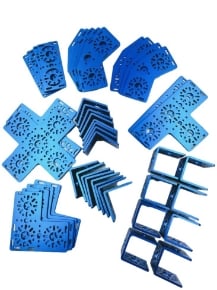
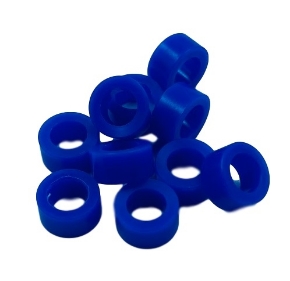
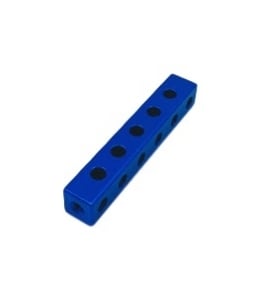
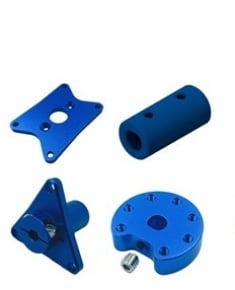
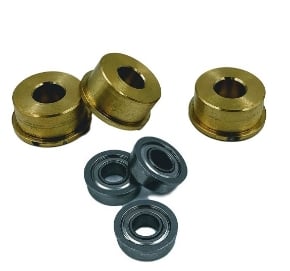
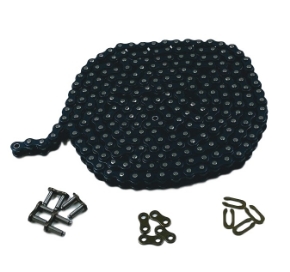
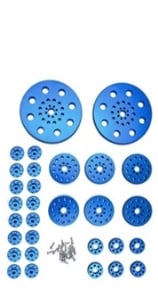
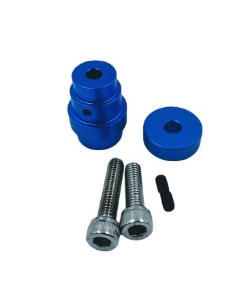
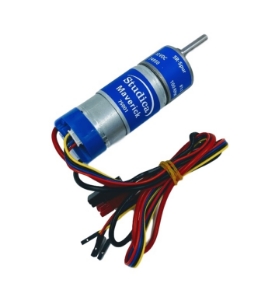
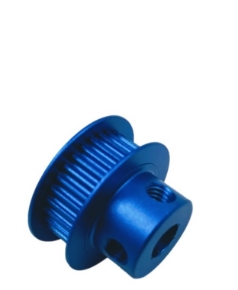
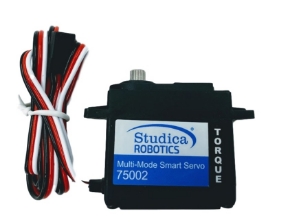
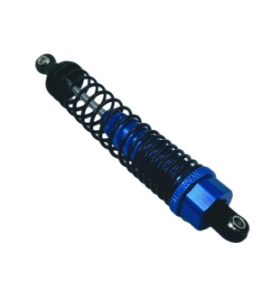
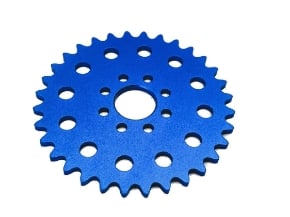
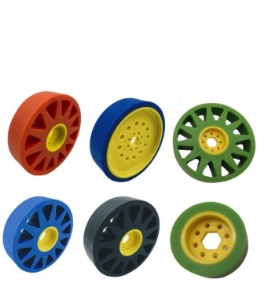
The FTC Starter Kit also gives teams a broad selection of structural and mechanical components to experiment with as their design develops. Different wheels, shafts, gears, pulleys, belts, brackets, and other components can be configured in different ways, giving teams room to test different approaches to intake, movement, scoring, and mechanism design.
For BIOBUZZ, build it, drive it, test it, and then start exploring how you can make the robot your own. Maybe you want to try a different intake design, experiment with another scoring mechanism, or adapt the robot to take a different approach to the HIVE.
Because the components can be reconfigured and reused, your team can make changes as testing reveals what works and what doesn't. Instead of having to figure out the final robot immediately, you can move from an idea to a prototype, learn from it, and build the next version.
That's the point: the Starter Bot doesn't have to be the finished robot. It can be the beginning of the design process.
Build, Test, Modify, Repeat
Starting with a foundation can give your team a practical way to learn drivetrain, mechanical, wiring, and programming fundamentals while you begin exploring what you want your BIOBUZZ robot to do.  FTC Starter Kit The Studica FTC Starter Kit 2026–2027 is designed as a building and prototyping system that teams can use to create their own robot designs for BIOBUZZ. The kit includes structural and motion components intended to support different configurations and approaches to robot design. That flexibility matters because your first design probably won't be your final design. As your team learns more about BIOBUZZ, you may discover that:
- A mechanism you expected to work isn't reliable enough
- A simpler design is easier for your drivers to control
- Your strategy requires a different intake or scoring approach
- Your robot needs to be more compact or maneuverable
- A prototype reveals a problem you hadn't considered
- A small mechanical change makes a major difference in performance
That's normal. FTC robot design is an iterative process. Build something, test it, learn from the results, and make the next version better.
Start Small, Learn, and Build From There
💡Kickoff can make it feel like your team needs to figure out the entire season right away. You don't. Start with the biggest technical challenge you can test now, learn from the results, and let those findings shape your next design decisions. You don't need a final robot on day one. As your robot develops, your strategy can develop with it.
BIOBUZZ Resources for FTC Teams
Keep these official and team resources handy throughout the season. The Competition Manual should be your primary reference for official game rules and requirements, while the other resources can help with game updates, robot development, and Starter Bot builds.
| Resource | What You'll Find |
|---|---|
| BIOBUZZ Competition Manual | Official game rules, scoring, field information, gameplay, robot construction, tournament requirements, and other season rules. |
| FIRST Tech Challenge BIOBUZZ Game & Season Materials | Competition Manual, game animation, Team Updates, Q&A information, and other official season materials. |
| FTC Robot & Team Resources | Technical documentation, programming resources, team resources, and other materials for FTC teams. |
| Studica FTC Starter Bot Resource Guide | Starter Bot build instructions, CAD files, wiring diagram, and resources for building and experimenting with the robot. |
Frequently Asked Questions
What is FTC BIOBUZZ?
BIOBUZZ™ presented by RTX is the 2026–2027 FIRST Tech Challenge game. Alliances collect POLLEN and NECTAR and use them to interact with the HIVE, FLOWERS, and GARDENS while completing scoring and endgame objectives.
What should teams focus on after BIOBUZZ kickoff?
Start by identifying the scoring and game actions that fit your team's strategy. Then determine which robot mechanisms are needed to perform those actions reliably. Early prototyping and testing can help your team make those decisions before committing to a final design.
Is the FTC Starter Bot the BIOBUZZ competition robot?
Yes. The FTC Starter Bot is designed as a competition-ready foundation that teams can build, test, and use as they develop their own BIOBUZZ robot. Teams can compete with the Starter Bot as built or modify and expand the design to match their strategy, mechanisms, and driving preferences.
What is the FTC Starter Kit 2026–2027?
The Studica FTC Starter Kit 2026–2027 is a collection of robot-building components designed to give FTC teams a foundation for creating and prototyping their own BIOBUZZ robot designs.
Where can I find the official BIOBUZZ rules?
The official BIOBUZZ Competition Manual is the primary reference for the game rules. Teams should also monitor FIRST Team Updates for official revisions and season information.
How long are the AUTO and TELEOP periods in FTC BIOBUZZ?
The BIOBUZZ MATCH begins with a 30-second AUTO period, followed by an 8-second transition period and a 2-minute TELEOP period. During AUTO, robots operate without driver control. During TELEOP, drivers remotely operate their robots.
Start Building Your BIOBUZZ Robot
The 2026–2027 BIOBUZZ season is here, and now the real design work begins. You don't need to have your entire robot figured out on day one. Start with a strategy, identify the challenges that matter most, and build something you can test.
The Studica FTC Starter Bot Build Guide gives your team a practical starting point with build instructions, CAD files, and a wiring diagram. Start building, test what works, and use what you learn to shape your BIOBUZZ robot.
Build it. Drive it. Test it. Change it.
Then do it again.
As your team learns more about BIOBUZZ, your robot and strategy can evolve together.
Helpful Articles for FTC Teams
- FTC Robotics Season Prep: 9 Tips to Start BIOBUZZ Strong
- FTC Starter Bot Build Guide: Prep for the 2026-2027 FTC Season
- FTC Odometry: Getting Started with the Cypher MAX Encoder
- FTC Mecanum Drive Programming Tips
- How to Program Field-Centric Drive for an FTC Robot
- Understanding the Field-Centric Drive in FTC
- How Teams Prototype Reliable FTC Intake and Shooter Systems
- FTC Robot Power Tips for Reliable, Consistent Performance
- Understanding the Planetary Gear Motor for FTC Robots
- Make the Most of the FTC Offseason