









Quick Summary: WorldSkills Shanghai 2026 brought together nearly 1,400 Competitors from around the world to demonstrate their technical and vocational skills across 64 competitions. Autonomous Mobile Robotics (AMR) showcased the engineering, programming, electronics, and problem-solving skills behind intelligent mobile robots, while Unmanned Aerial Systems (UAS) made its WorldSkills debut, highlighting the technology behind modern drones. Explore the AMR and UAS competition results, meet the medalists and Medal for Excellence recipients, and celebrate the competitors who brought their skills to the international stage.
WorldSkills Shanghai 2026: A Global Celebration of Skills
 Held September 22–27, 2026, in Shanghai, China, the 48th WorldSkills Competition brought together young skilled professionals from around the world. Across 64 skill competitions spanning six sectors, participants demonstrated the practical expertise, technical knowledge, and precision required in a wide range of industry disciplines. WorldSkills provides an international platform for competitors to demonstrate their abilities while highlighting the importance of technical and vocational education and training. The event also offers a closer look at the skills behind modern industries, from advanced manufacturing and information technology to construction, transportation, and personal services. Two competitions at Shanghai 2026 highlighted different aspects of modern technology: Autonomous Mobile Robotics, which focuses on mobile robots and their integrated systems, and Unmanned Aerial Systems, which centers on the technology behind unmanned aircraft. Together, AMR and UAS demonstrate how engineering, electronics, software, and practical problem-solving contribute to increasingly sophisticated technological systems.
Autonomous Mobile Robotics at WorldSkills Shanghai 2026
 Autonomous Mobile Robotics is part of the Manufacturing and Engineering Technology sector at WorldSkills. The competition brings together mechanical engineering, electronics, programming, sensors, and control systems to address challenges involving mobile robotic systems. Competitors must understand how these components work together, then apply their knowledge to build, configure, test, and troubleshoot robots according to specific competition requirements. Key technical skills associated with AMR include:
 Mechanical engineering and assembly: Understanding robot structures, drive systems, components, and mechanical configurations.
- Electronics and control systems: Integrating the electrical and electronic components that enable a robot to operate.
- Programming and automation: Developing and configuring software to control robot behavior.
- Sensors and navigation: Using technologies that help robots interpret their surroundings and move through an environment.
- Testing and troubleshooting: Identifying problems, refining configurations, and evaluating system performance.
- Technical problem-solving: Applying engineering knowledge to practical challenges and defined requirements.
These skills are relevant to industries that use robotics and automation, including manufacturing, logistics, agriculture, mining, and other fields where mobile robots can perform specialized tasks.
The Robotics Kits Behind the AMR Competition
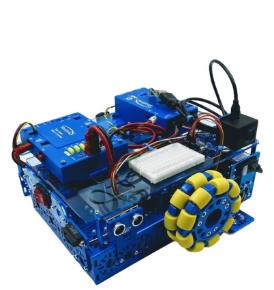
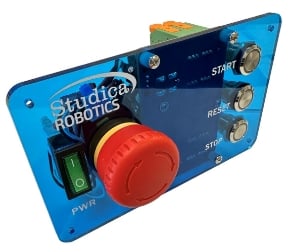
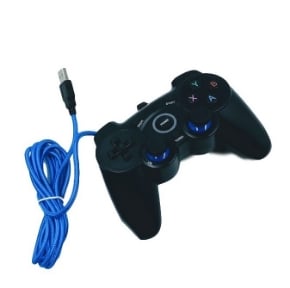
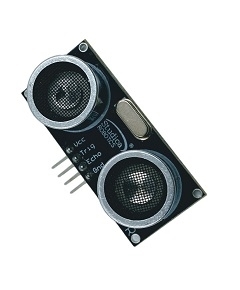
The official WorldSkills Autonomous Mobile Robotics competition collections provide the components used to build and configure competition robots.  As a WorldSkills Global Partner and the exclusive supplier for the AMR competition, Studica Robotics supports the competition technology and the development of robotics skills on the international stage.
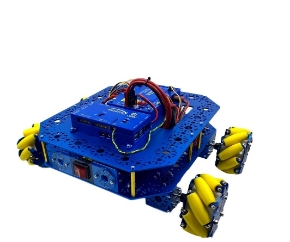
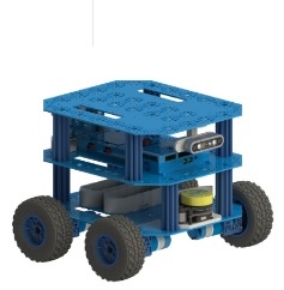
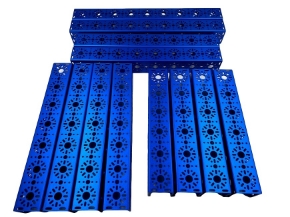
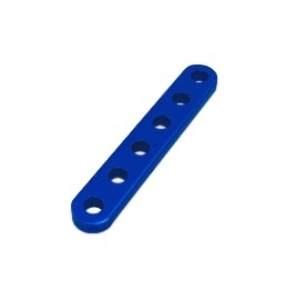
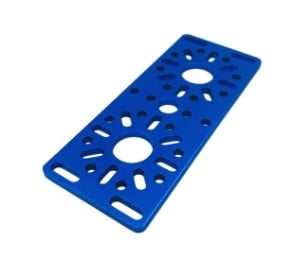
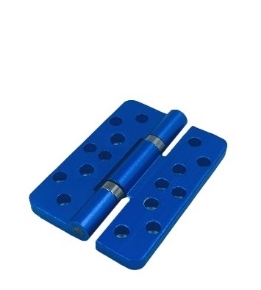
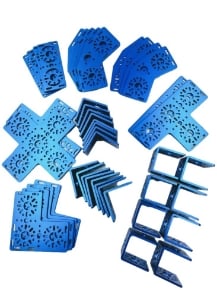
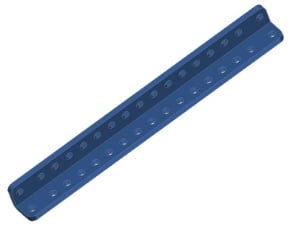
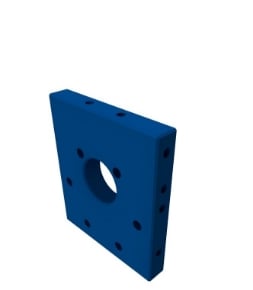
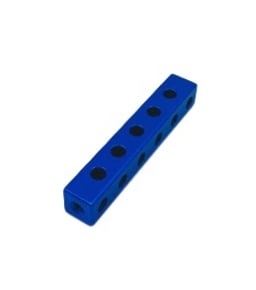
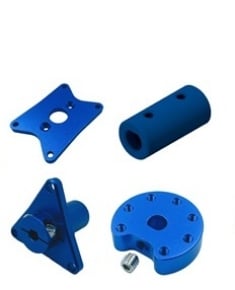
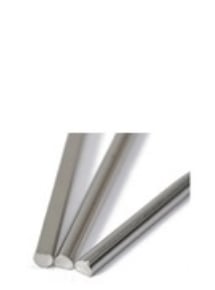
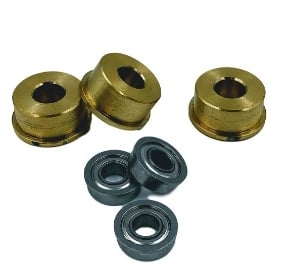
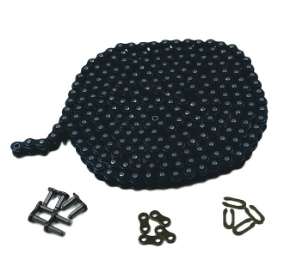
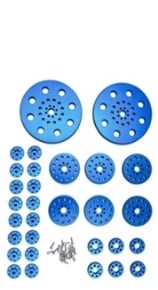
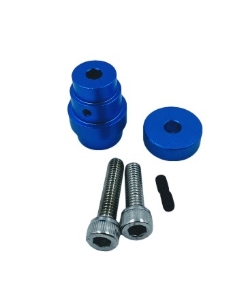
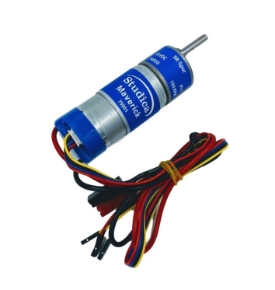
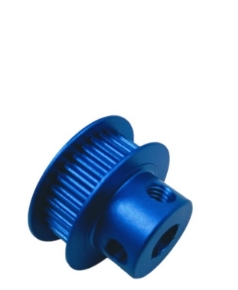
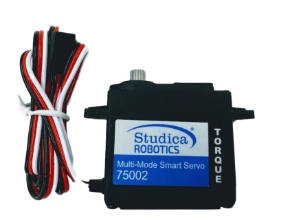
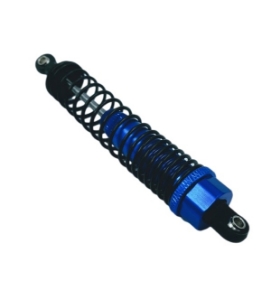
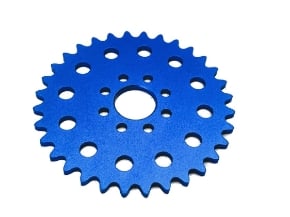
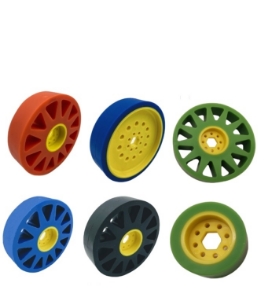
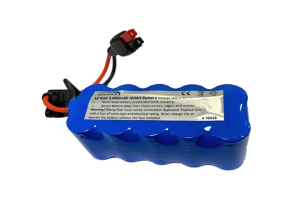
The WorldSkills Autonomous Mobile Robotics BASE Collection includes the components needed to build four base robots: Differential Drive, Differential Drive All-Terrain, Mecanum, and X-Drive. The FULL Collection includes the BASE Collection components, plus additional parts for the robot OMS assemblies.
These configurations offer different approaches to robot movement, giving competitors the opportunity to work with mechanical design, drive systems, and integrated robotics technology.
WorldSkills Shanghai 2026 AMR Competition Results
 Congratulations to all 36 Competitors representing 18 countries and regions in the Autonomous Mobile Robotics competition. Each competitor brought technical knowledge, dedication, and problem-solving skills to this challenging event. China earned gold, followed by Korea with silver and Brazil with bronze. The table below lists the top nine teams, including the top three medal-winning teams and the teams recognized with a Medal for Excellence. Rankings, awards, and scores are shown as reported in the official competition results.
| Rank | Award | Country/Region | Competitors | Score |
|---|---|---|---|---|
| 1 | Gold | China | Bowen Liu and Jinchen Fan | 833 |
| 2 | Silver | Korea | Buyi Oh and Kim Jinwon | 794 |
| 3 | Bronze | Brazil | Arthur Barud and Gustavo Gabriel Dutra Alves | 771 |
| 4 | Medal for Excellence | Japan | Kaisei Takeuchi and Taiki Shuto | 746 |
| 5 | Medal for Excellence | India | Aditya Prakash and Debasish Panda | 738 |
| 6 | Medal for Excellence | Portugal | Duarte Serra and Daniel Silva | 729 |
| 7 | Medal for Excellence | Chinese Taipei | Shuo-Yi Lin and Ming-Cheng Tsai | 727 |
| 8 | Medal for Excellence | Macao, China | U Hin Chan and Pak Ngai Ho | 713 |
| 9 | Medal for Excellence | Hong Kong, China | Lok Yin Chan and Ho Wai Fan | 703 |
 |
 |
 |
Unmanned Aerial Systems: A WorldSkills First
 WorldSkills Shanghai 2026 marked the first appearance of Unmanned Aerial Systems as a WorldSkills competition skill. The field, commonly associated with drones, combines aircraft hardware, electronics, flight control, communications, sensors, and software. UAS technicians build, test, and maintain unmanned aircraft. Their work requires an understanding of how the aircraft's physical components interact with onboard electronics and software to support reliable operation. Key technical skills associated with UAS include:
- Aircraft assembly and maintenance: Understanding the components and structures needed to build and maintain unmanned aircraft.
- Flight control systems: Working with the electronics and software that govern aircraft behavior.
- Electronics and communications: Understanding how onboard systems communicate and exchange information.
- Sensors and navigation: Applying sensor data and navigation technologies to support aircraft operation.
- Software and system integration: Bringing hardware and software together into a functioning system.
- Testing and troubleshooting: Identifying technical issues and checking system performance.
- Safety and regulatory awareness: Recognizing the importance of safe operations and applicable requirements for unmanned aircraft.
 Unmanned aerial systems, such as drones, are used in aerial surveying, infrastructure inspection, precision agriculture, construction, firefighting, wildlife conservation, and public safety. Although the technical requirements vary by application, reliable systems, sound engineering, and careful testing remain important throughout the field. The introduction of UAS at WorldSkills Shanghai 2026 brought additional attention to a technical discipline where aviation, robotics, electronics, and computing increasingly intersect.
Exploring UAS Technology with the Studica WS500 Quadcopter Kit
 The Studica Robotics WS500 UAV Quadcopter Kit provides a hands-on way to explore the technology behind unmanned aerial systems. Its components include a carbon-fiber frame, flight controller, companion computer, and sensors. The kit brings together mechanical, electronic, and software elements that can help learners explore topics such as flight control, navigation, sensor integration, and robotics software. For students and educators, hands-on platforms offer a practical way to investigate the systems behind drone technology and develop an understanding of how different technical disciplines work together.
WorldSkills Shanghai 2026 UAS Competition Results
Congratulations to all 11 competitors representing 11 countries and regions in the inaugural Unmanned Aerial Systems competition. As the first group to compete in this new WorldSkills skill, they helped establish an exciting milestone for the international skills community. China earned gold, followed by Macao, China, with silver and Kazakhstan with bronze. The table below lists the three medalists and the Competitors who received a Medal for Excellence. It does not represent the complete standings for all 11 participants.
| Rank | Award | Country/Region | Competitor | Score |
|---|---|---|---|---|
| 1 | Gold | China | Chen Zeng | 761 |
| 2 | Silver | Macao, China | Chi Hou Chao | 740 |
| 3 | Bronze | Kazakhstan | Ruslan Nesterenko | 719 |
| 4 | Medal for Excellence | Japan | Riku Nagao | 715 |
| 5 | Medal for Excellence | Singapore | Shafriel Nur Iman Shammuain | 707 |
| 6 | Medal for Excellence | United Arab Emirates | Norah Alhaqal | 700 |
 |
 |
 |
Connecting Competition Skills with Real-World Technology
 Although AMR and UAS address different types of robotic systems, both require an understanding of how hardware, electronics, sensors, and software work together. In autonomous mobile robotics, these skills can support work involving automated manufacturing, material handling, mobile robot configuration, and system integration. In UAS, related knowledge can be applied to drone assembly, maintenance, testing, and the integration of flight control and sensor systems. Both fields also rely on troubleshooting. Engineers and technicians must identify problems, evaluate system behavior, and make adjustments to help equipment perform as intended. For students and educators, these competitions provide a practical illustration of the technical disciplines involved in modern robotics and automation. They also offer a useful starting point for exploring further education and potential careers in engineering, electronics, software, robotics, and unmanned systems.
The Importance of International Skills Competitions
 WorldSkills places technical achievement in an international context. Competitors represent their countries and regions while demonstrating the knowledge, precision, and practical abilities developed through education and training. For students, educators, and people exploring technical careers, competitions offer a tangible view of what advanced skills look like in practice. For industry and the wider public, they provide an opportunity to recognize the expertise behind the technologies used in everyday life. Just as importantly, these events celebrate the people behind the skills. Preparing for and competing at an international event takes dedication, practice, and a willingness to tackle challenging technical problems. Every participant contributes to the broader goal of recognizing skilled professionals and inspiring future generations.
Studica's Connection to WorldSkills Shanghai 2026
As a WorldSkills Global Partner and the exclusive supplier for the Autonomous Mobile Robotics Competition, Studica Robotics develops and supports the technology behind the AMR skill. Studica also supports hands-on learning in unmanned aerial systems through resources such as the WS500 UAV Quadcopter Kit.
Through these robotics platforms and educational resources, Studica helps connect competition skills with practical learning opportunities. At WorldSkills Shanghai 2026, the competitors took center stage, demonstrating the technical knowledge and problem-solving abilities these fields demand.
Frequently Asked Questions
What is WorldSkills Shanghai 2026?
WorldSkills Shanghai 2026 was the 48th WorldSkills Competition, held September 22–27, 2026, in Shanghai, China. The event brought together nearly 1,400 competitors to demonstrate their technical and vocational skills across 64 competitions spanning six sectors.
Who won the AMR competition at WorldSkills Shanghai 2026?
Bowen Liu and Jinchen Fan of China won gold in Autonomous Mobile Robotics with a score of 833. Buyi Oh and Kim Jinwon of Korea earned silver with 794, and Arthur Barud and Gustavo Gabriel Dutra Alves of Brazil earned bronze with 771.
Who won the UAS competition at WorldSkills Shanghai 2026?
Chen Zeng of China won gold in Unmanned Aerial Systems with a score of 761. Chi Hou Chao of Macao, China, earned silver with 740, and Ruslan Nesterenko of Kazakhstan earned bronze with 719.
What skills do competitors demonstrate in Autonomous Mobile Robotics?
Autonomous Mobile Robotics combines mechanical engineering, electronics, programming, sensors, control systems, and robot navigation. Competitors apply this knowledge to build, configure, test, and troubleshoot mobile robotic systems.
What skills are involved in Unmanned Aerial Systems?
Unmanned Aerial Systems involves aircraft assembly and maintenance, flight control, electronics, communications, software, sensors, navigation, and troubleshooting. Safe operation and awareness of applicable requirements are also important in real-world UAS work.
Is UAS new to WorldSkills?
Yes. Shanghai 2026 marked the first time Unmanned Aerial Systems was included as a WorldSkills competition skill.
What AMR kits were used at WorldSkills Shanghai 2026?
The official WorldSkills Autonomous Mobile Robotics competition collections supplied the components for the competition robots. The BASE Collection supports Differential Drive, Differential Drive All-Terrain, Mecanum, and X-Drive configurations. The FULL Collection includes the BASE Collection components along with additional parts for the robot OMS assemblies.
What is the Studica Robotics WS500 Quadcopter Kit?
The Studica Robotics WS500 UAV Quadcopter Kit is a hands-on unmanned aerial systems platform combining a carbon-fiber frame, flight controller, and sensors. It supports exploration of flight control, navigation, sensor integration, and robotics software.
How can WorldSkills competitions support future technical careers?
WorldSkills competitions provide a platform for participants to demonstrate practical technical expertise. The skills showcased can be relevant to further education and career exploration in fields such as robotics, automation, engineering, electronics, and unmanned aerial systems, although competition participation does not guarantee a particular career outcome.
Celebrating Skills That Move Technology Forward
Congratulations to everyone who competed in the AMR and UAS competitions at WorldSkills Shanghai 2026, with special recognition for the medalists and Medal for Excellence recipients.
Competing on a global stage takes dedication, preparation, and a willingness to put technical skills to the test. Every participant contributed to an event that celebrates skilled professionals, practical learning, and the next generation of talent in autonomous robotics and unmanned aerial systems. Studica Robotics is proud to support the WorldSkills community and the continued development of these skills. We're already looking forward to WorldSkills Aichi 2028 in Japan.