























How Robotics Helps Elementary Students Learn
Quick Summary: Robotics helps elementary students connect STEM concepts to real-world challenges while developing problem-solving, creativity, and teamwork through hands-on learning. Robotics is about more than building a machine that moves. For elementary students, it creates opportunities to ask questions, experiment with ideas, and discover how to solve problems.
How Does Robotics Benefit Elementary Students?
When students build or program a robot, they can see the results of their decisions. A robot that turns too early, struggles to move, or misses its target gives students a reason to investigate what happened and try a different approach. These experiences connect classroom concepts to practical challenges and help students understand that learning often involves testing, adjusting, and trying again.
For educators and parents, robotics for elementary students offers a practical way to introduce STEM concepts while helping children develop skills they can use across subjects and throughout their education.
What Is Robotics for Elementary Students?
Educational robotics introduces students to how robots are designed, built, programmed, and controlled. Depending on their age and experience, students might begin by arranging directional instructions, controlling a simple programmable robot, assembling mechanical components, or writing code to make a robot respond to its surroundings.
These activities can introduce foundational concepts in engineering, computer science, mathematics, and physical science. For example, a student programming a robot to travel across a classroom might need to determine the correct sequence of instructions, estimate a distance, and adjust a turn. A student assembling a robot might experiment with wheel placement or structural components to understand how design affects movement. The complexity can increase as students develop new skills. The goal is not to introduce advanced technology before children are ready, but to give them opportunities to explore ideas through activities appropriate for their age and experience.
The Benefits of Robotics for Elementary Students
Robotics can support learning in several interconnected ways. Students do not simply memorize facts about technology. They apply concepts, make decisions, and observe the results of their work.
| Learning Area | What Students Practice | How Robotics Helps |
|---|---|---|
| STEM Concepts | Measurement, sequencing, motion, and basic engineering | Students apply math and science concepts to build robots, test movement, and complete challenges. |
| Problem-Solving | Breaking down challenges, troubleshooting, and testing solutions | Students identify what isn't working, adjust their approach, and try again. |
| Critical Thinking | Analyzing results, evaluating ideas, and making decisions | Students observe how their robots perform and decide what changes could improve results. |
| Creativity and Design | Brainstorming, planning, and experimenting | Students explore different designs and find new ways to accomplish a task. |
| Communication and Collaboration | Sharing ideas, listening, explaining decisions, and working as a team | Students discuss strategies, divide tasks, and combine ideas to solve challenges. |
| Persistence and Adaptability | Learning from mistakes, adjusting plans, and trying again | Students discover how testing and refining their work can lead to better results. |
Building Confidence Through Discovery
A robot that does not behave as expected can provide a valuable learning opportunity. Students may need to adjust a component, revise a sequence of instructions, or reconsider their original design. With appropriate guidance, these moments can help them understand that an unexpected result is information they can use to improve their work. Educators can reinforce this mindset by asking what students observed, what they learned, and what they want to try next. Small successes matter, too. When students see a robot complete a task after making a thoughtful adjustment, they have a concrete example of how their decisions influenced the outcome. The aim is not to eliminate frustration or suggest that every problem has an immediate solution. It is to create a learning environment where students gain confidence that they can investigate challenges, learn from mistakes, and recognize the progress they make along the way.
Bringing Robotics into the Elementary Classroom: Practical Tips for Teachers
Introducing robotics doesn't require complicated equipment or advanced programming. Start with a clear learning goal, an activity suited to students' abilities, and room to experiment. These tips can help educators make robotics approachable, engaging, and relevant to the elementary curriculum.
 Tip 1: Start Small and Build Skills Gradually
Begin with activities that match students' experience. Younger or first-time learners benefit from learning the basic concepts of directional commands, sequencing games, or simple programmable robots. As their skills grow, introduce building, block-based coding, sensors, and more complex design challenges. Try this: Before asking students to program a robot, have them give a classmate step-by-step directions to reach a destination. This unplugged activity introduces sequencing and precise instructions without requiring equipment.
Tip 2: Connect Robotics to What Students Are Learning
Robotics can reinforce concepts students encounter in math, science, and other subjects. A clear learning objective helps students understand why they're completing a challenge and what they should take away from it. Try this: Connect robot movement to measurement by asking students to estimate how far a robot will travel, test its movement, and compare the result with their prediction.
Tip 3: Turn Mistakes into Learning Opportunities
A robot that turns the wrong way or misses its target gives students something to investigate. Rather than immediately correcting the problem, encourage them to observe the results, identify possible causes, and test a change. Ask questions like:
- What happened compared with what you expected?
- Which instruction or part of the design might be causing the problem?
- What could you change and test next?
This approach helps students practice problem-solving and critical thinking while learning that improvement often takes more than one attempt.
Tip 4: Make Teamwork Part of the Design
Robotics offers opportunities to improve communication and collaboration alongside technical skills. Students can contribute in different ways, from assembling components and planning a route to programming instructions, recording test results, and presenting findings. Try this: Assign rotating roles such as builder, programmer, tester, and recorder. Give students opportunities to try different responsibilities so participation isn't limited to the children who already feel confident with technology.
Tip 5: Adjust the Challenge, Not the Opportunity
Students may have different levels of experience, confidence, and interest. Keep the core learning goal consistent while offering different ways to participate or extend the task. Try this: Provide a visual route, a partially completed program, or a partner for students who need additional support. Students ready for more complexity might add obstacles, experiment with a sensor, or compare two approaches to the same problem. The goal is to make robotics accessible to beginners while giving experienced students room to stretch their skills.
Try a Classroom Challenge: Can Your Robot Deliver a Supply?
A simple delivery challenge brings many of these learning opportunities together. Ask students to design or program a robot that transports a lightweight object from a starting point to a destination. Here's one way to run the activity:
- Plan the route. Have students identify the starting point, destination, and any task requirements. They can sketch a route and predict the movements the robot will need to make.
- Build or program. Students assemble a suitable robot or use an existing programmable robot, then create the instructions needed to complete the delivery.
- Test the solution. Students observe whether the robot follows the route, carries the object, and reaches its destination.
- Troubleshoot and improve. If the robot misses the target or drops the object, students investigate possible causes and revise their design or program.
- Reflect on the results. Ask students to explain what worked, what they changed, and what they would try differently next time.
Adapt the challenge to your classroom. Keep the route short and provide visual instructions for beginners. For students ready for more, introduce obstacles, add a sensor, or challenge teams to compare different solutions. The activity can reinforce measurement, sequencing, engineering design, coding, communication, and problem-solving. Educators can adjust the equipment and complexity to suit the age group, available resources, and learning objectives.
Getting Every Student Involved
Students bring different interests and strengths to robotics. Some may enjoy building, while others prefer programming, planning designs, or explaining results.
Offer varied roles, clear instructions, and activities with adjustable difficulty so every student has a way to contribute. Robotics isn't just for students who already excel at math or technology. It's a chance to build confidence, explore new interests, and develop skills through practice.
Building a Foundation for Future STEM Learning
Elementary robotics gives students the chance to explore technology, test ideas, and solve problems early in their development. Early exposure can help students feel more comfortable with technology and build confidence in pursuing future STEM opportunities. These experiences can build a foundation for more advanced STEM learning and help students see how robotics connects to fields such as manufacturing, healthcare, agriculture, and transportation. As students progress, they may pursue engineering coursework, robotics clubs, or competitive programs like FIRST Tech Challenge (FTC), where they can develop more advanced design, programming, and teamwork skills.
How Studica Robotics Can Help
 Hands-on robotics activities give elementary students opportunities to explore how things work, experiment with designs, and develop problem-solving skills. As students build their skills, a versatile robotics platform can help them take on increasingly complex projects.
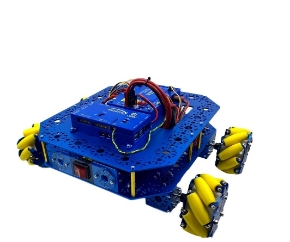
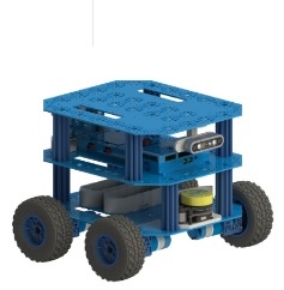
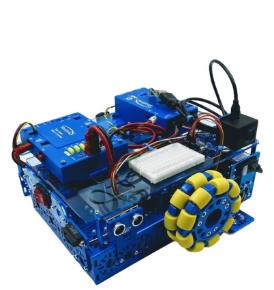
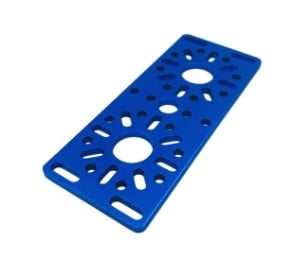
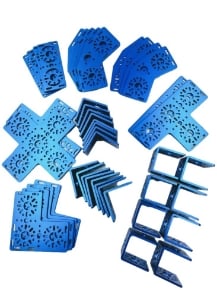
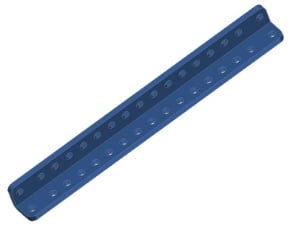
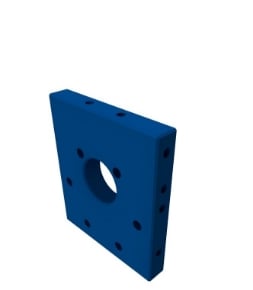
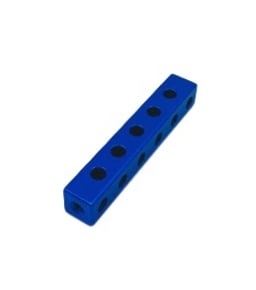
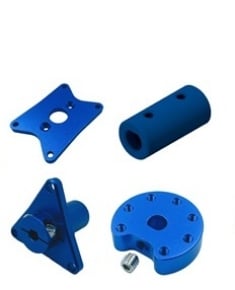
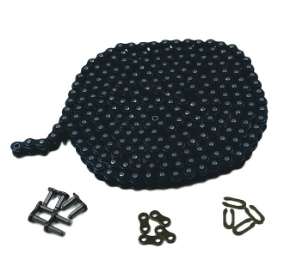
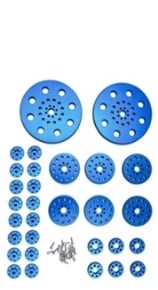
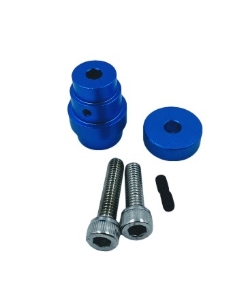
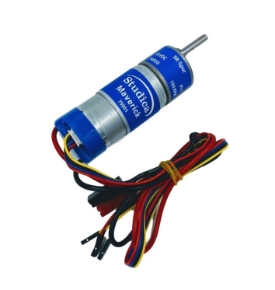
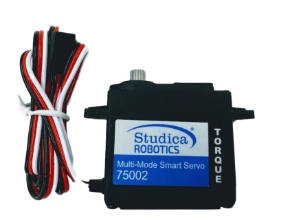
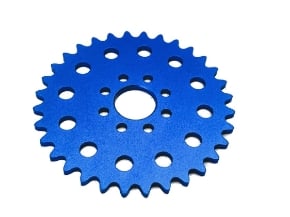
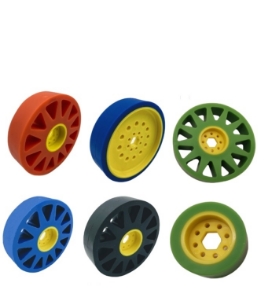
Studica Robotics offers a robotics building platform for educational projects and competitive teams, including FTC and FRC. Its channel components feature a durable 3 mm-thick 6061-T6 aluminum structure. Each component is deburred, polished, and anodized to create a smooth, finished surface designed for durability and safer handling. The platform's compatible design makes it easy to connect structures, sprockets, motors, and gears without requiring a machine shop or specialized equipment. Its hole pattern also supports compatibility with many FTC and FRC systems, giving students and educators flexibility when designing and building robotics projects. From classroom exploration to more advanced builds, Studica Robotics provides components that help bring ideas to life. Learn more about the Studica Robotics platform.
Frequently Asked Questions
How does building a robot benefit elementary students?
Building a robot gives elementary students opportunities to apply STEM concepts, practice problem-solving, explore programming, and develop engineering design skills. Collaborative projects can also help students practice communication, teamwork, and learning through experimentation.
What skills do elementary students learn from robotics?
Depending on the activity, students can develop computational thinking, sequencing, measurement, logical reasoning, creativity, troubleshooting, and communication skills. Building and programming robots also introduces engineering concepts and practical applications of mathematics and science.
At what age can children start learning robotics?
Children can begin exploring robotics concepts in the early elementary years through age-appropriate activities. Simple sequencing exercises and introductory programmable robots can provide a starting point, while more involved construction and programming can be introduced as students gain experience.
Does robotics help elementary students learn coding?
Yes. Programmable robots let students connect instructions to observable actions. Students can practice arranging commands, predicting outcomes, finding errors, and revising programs to achieve a goal. The programming tools and complexity should be appropriate for their age and experience.
Can elementary students learn robotics without expensive equipment?
Yes. Teachers and parents can introduce foundational robotics concepts through unplugged activities, such as asking students to guide a classmate through a grid using precise directional instructions. These activities can teach sequencing and logical thinking. Physical robots and building kits offer additional opportunities for students to test ideas in a hands-on environment when equipment is available.
Building Skills One Challenge at a Time
Robotics gives elementary students opportunities to put STEM concepts into practice while developing problem-solving, creativity, and collaboration skills. Through building, programming, testing, and refining their designs, students learn to approach challenges with curiosity and discover how their ideas can become reality.
By making robotics part of the learning experience, educators can help students build confidence, explore new interests, and develop a foundation for future STEM learning, one challenge at a time.