









Studica Robotics
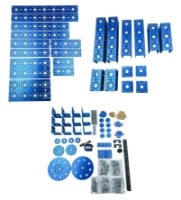
Worldskills Lyon Expansion Set
Includes,
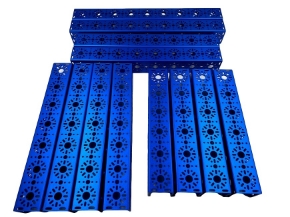
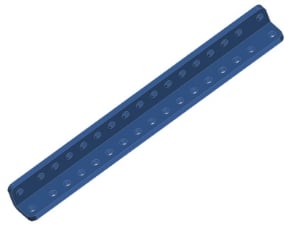
- 2 - 336mm U-Channel - 76012
- 1 - 288mm U-Channel (2 pack) - 76013-2
- 2 - 144mm U-Channel (2 pack) - 76016-2
- 2 - 96mm U-Channel (2 pack) - 76017-2
- 2 - 48mm U-Channel (2 pack) - 76018-2
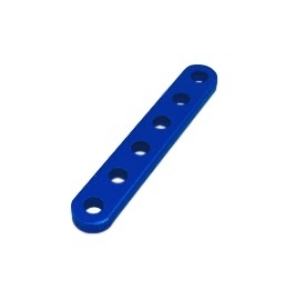
- 2 - 336mm x 40mm Flat Bracket - 76060
- 1 - 288mm x 40mm Flat Bracket (2 pack) - 76061-2
- 1- 192mm x 40mm Flat Bracket - 76063-2
- 1 - 144mm x 40mm Flat Bracket - 76064-2
- 1 - 96mm x 40mm Flat Bracket - 76065-2
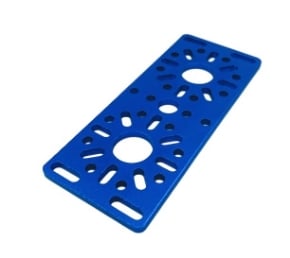
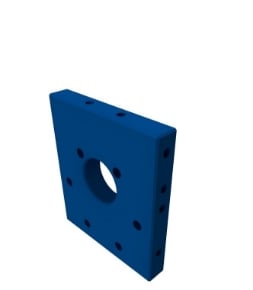
- 1 - 192mm x 96mm Flat Bracket (2 pack) - 76066-2
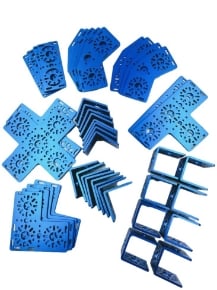
- 3 - L Bracket (2 pack) - 76087-2
- 3 - Inside L Bracket (2 pack) - 76089-2
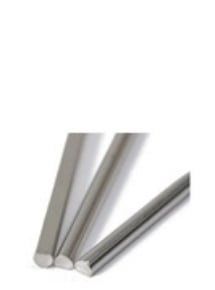
- 1 - 6mm x 96mm D-Shaft (6 pack) - 76161-6
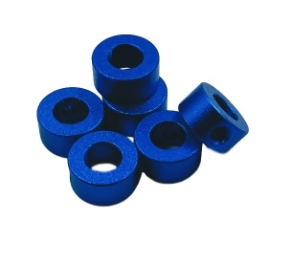
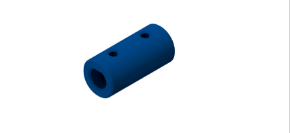
- 2 - Collar 6mm ID D-Shaft, 12mm OD (6 pack) - 76304-6
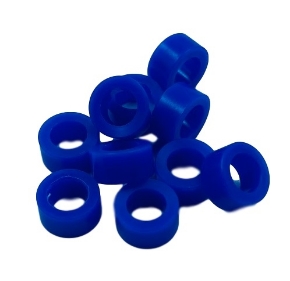
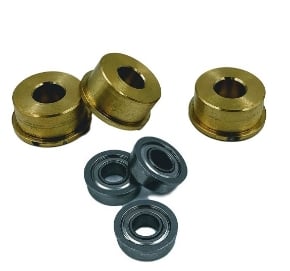
- 1 - Bushing Bronze 6mm ID x 8mm OD (12 Pack) - 76300-12
- 1 - Bushing Bronze 6mm ID x 14mm OD (12 Pack) - 76301-12
- 1 - Flange Bearing 6mm ID, 14mm OD, 15mm Flange (12 Pack) - 76302
- 1 - Shaft Spacer Plastic 6mm ID x 10mm OD x 1mm L (24 pack) - 76305-24
- 1 - Shaft Spacer Plastic 6mm ID x 10mm OD x 2mm L (24 pack) - 76306-24
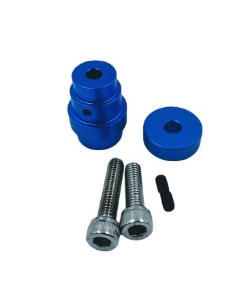
- 2 - 6mm Shaft Hub (4 pack) - 76284-4
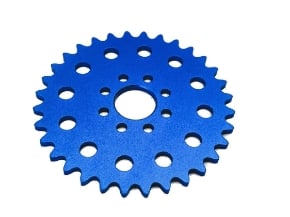
- 2 - 32 Tooth Gear (2 pack) - 76220-2
- 1 - 64 Tooth Gear (2 pack) - 76221-2
- 2 - 128 Tooth Gear - 76222
- 1 - Rack & Pinion - 76170
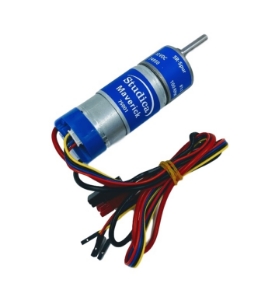
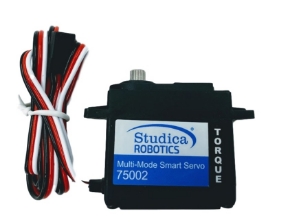
- 1 - Multi-Mode Smart Servo - 75002
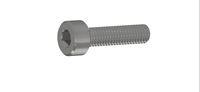
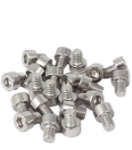
- 1 - M3 x 8mm Socket Head Cap Screw (pack of 100) - 76200-100
- 1 - M3 x 10mm Socket Head Cap Screw (pack of 100) - 76201-100
- 1 - M3 x 12mm Socket Head Cap Screw (pack of 100) - 76202-100
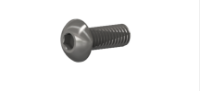
- 1 - M3 x 10mm Button Head Cap Screw (pack of 50) - 76203-50
- 1 - M3 Kep Nut (pack of 100) - 76204-100
- 1 - 25mm Standoff (12 pack) - 76182-12
- 1 - 48mm Standoff (12 pack) - 76181-12
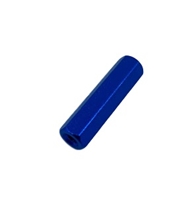
25mm Standoff (12 pack)
Standoffs can be used to space parallel plates, channel, brackets, etc.
Specifications:
- Material: 6061-T6 Aluminum
- Thread: M3
- Length: 25mm
- Step File
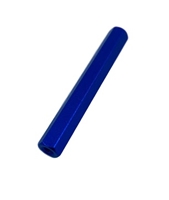
48mm Standoff (12 pack)
Standoffs can be used to space parallel plates, channel, brackets, etc.
Specifications:
- Material: 6061-T6 Aluminum
- Thread: M3
- Length: 48mm
- Step File
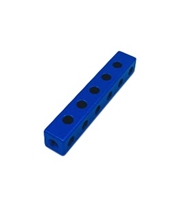
48mm Square Beam
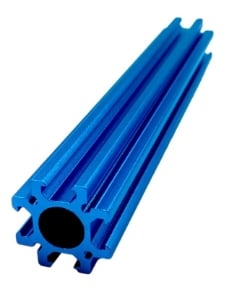
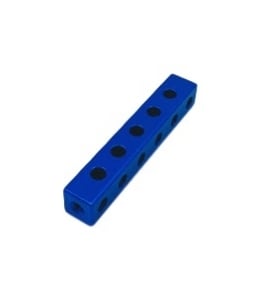
The Studica Square Beam is 8mm by 8mm. As with the other Studica Robotics building components, it has the common hole pattern which makes it easy to connect to other structure with very little or no additional machining required. You can easily connect to other channel, extrusions, bushings, bearing, mounting brackets and more so you can quickly assemble and disassemble robots and automated systems.
Specifications:
- Material - Anodized 6061-T6 Aluminum
- Holes - 3.5mm diameter spaced 8mm apart
- Length - 48mm
- Step File
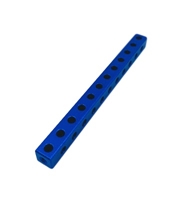
96mm Square Beam
The Studica Square Beam is 8mm by 8mm. As with the other Studica Robotics building components, it has the common hole pattern which makes it easy to connect to other structure with very little or no additional machining required. You can easily connect to other channel, extrusions, bushings, bearing, mounting brackets and more so you can quickly assemble and disassemble robots and automated systems.
Specifications:
- Material - Anodized 6061-T6 Aluminum
- Holes - 3.5mm diameter spaced 8mm apart
- Length - 96mm
- Step File
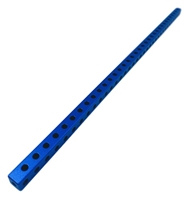
288mm Square Beam
The Studica Square Beam is 8mm by 8mm. As with the other Studica Robotics building components, it has the common hole pattern which makes it easy to connect to other structure with very little or no additional machining required. You can easily connect to other channel, extrusions, bushings, bearing, mounting brackets and more so you can quickly assemble and disassemble robots and automated systems.
Specifications:
- Material - Anodized 6061-T6 Aluminum
- Holes - 3.5mm diameter spaced 8mm apart
- Length - 288mm
- Step File